
The triangle offense built NBA dynasties for Phil Jackson. It reads the defense instead of running scripted plays, demanding spacing, patience, and basketball IQ from every player on the floor.
What Is the Triangle Offense?
The triangle offense — formally called the Triangulated Offense or Triple Post Offense — was developed by Tex Winter and popularized by Phil Jackson during his championship runs with the Chicago Bulls and Los Angeles Lakers. At its core, the system is not a set of plays. It is a read-and-react framework built on spacing, ball movement, and player decision-making off the defense.
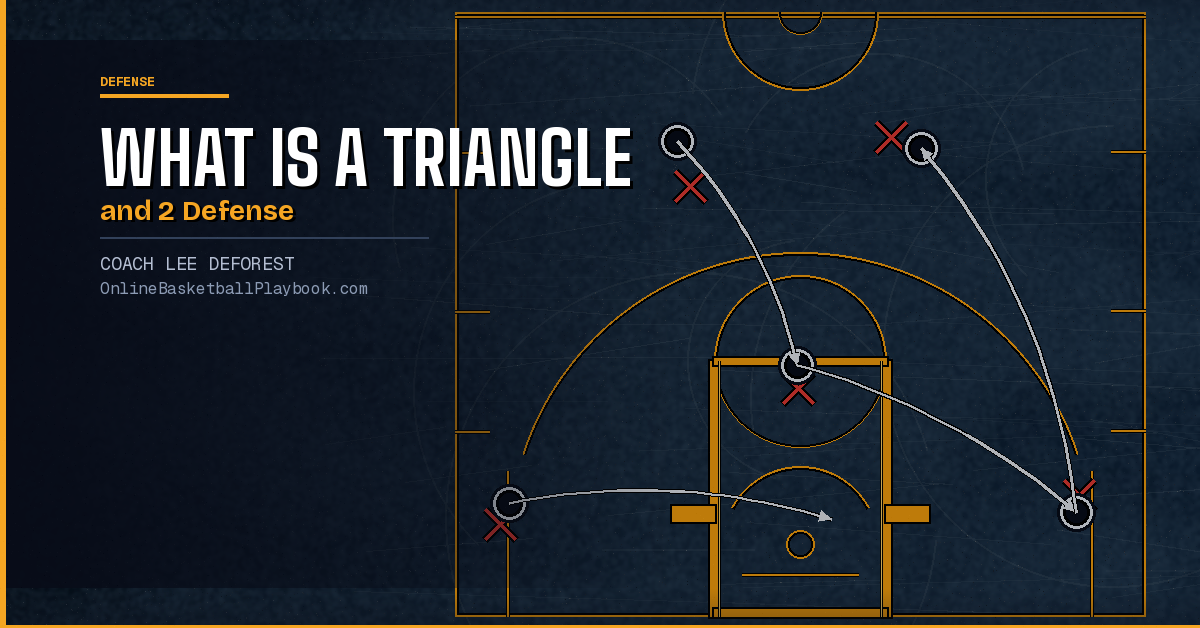
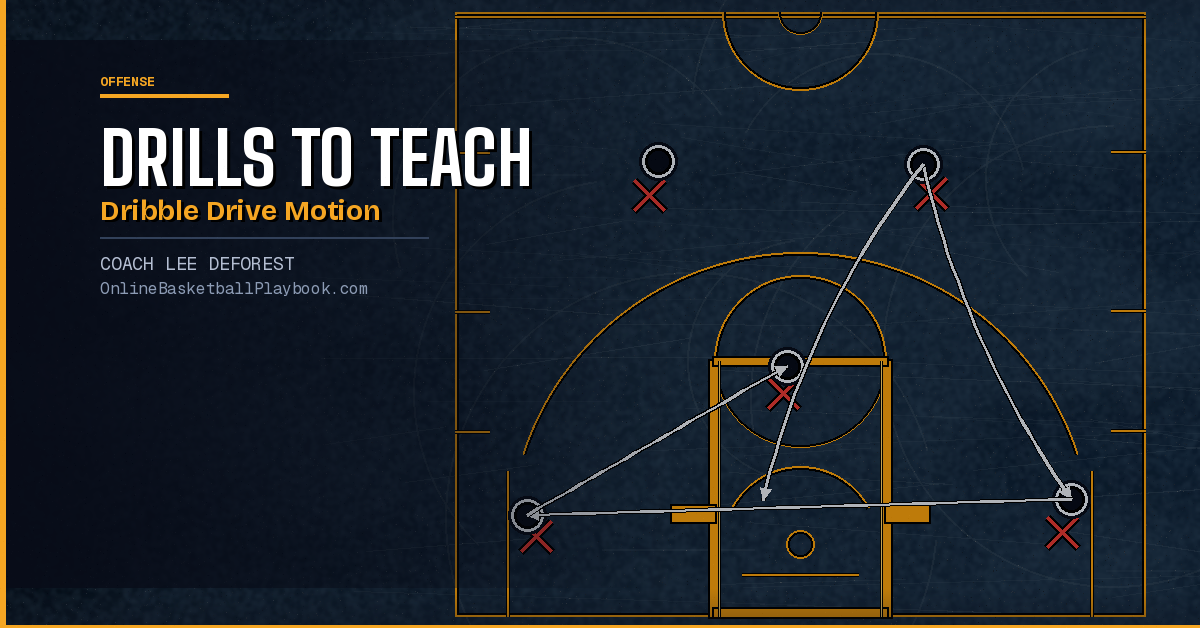
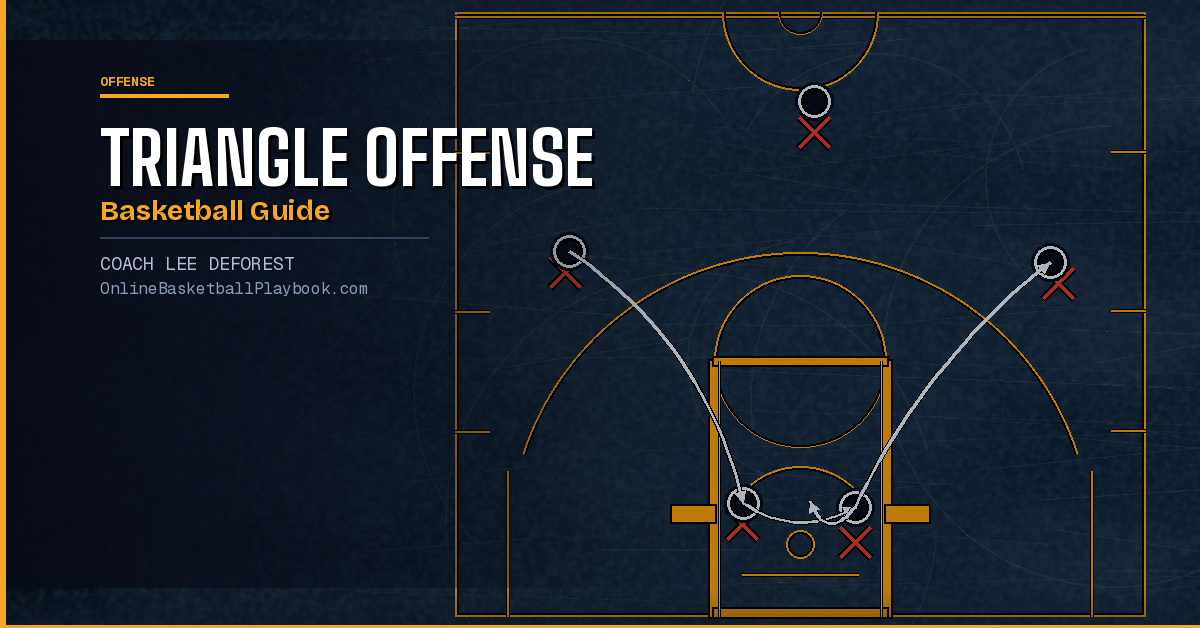
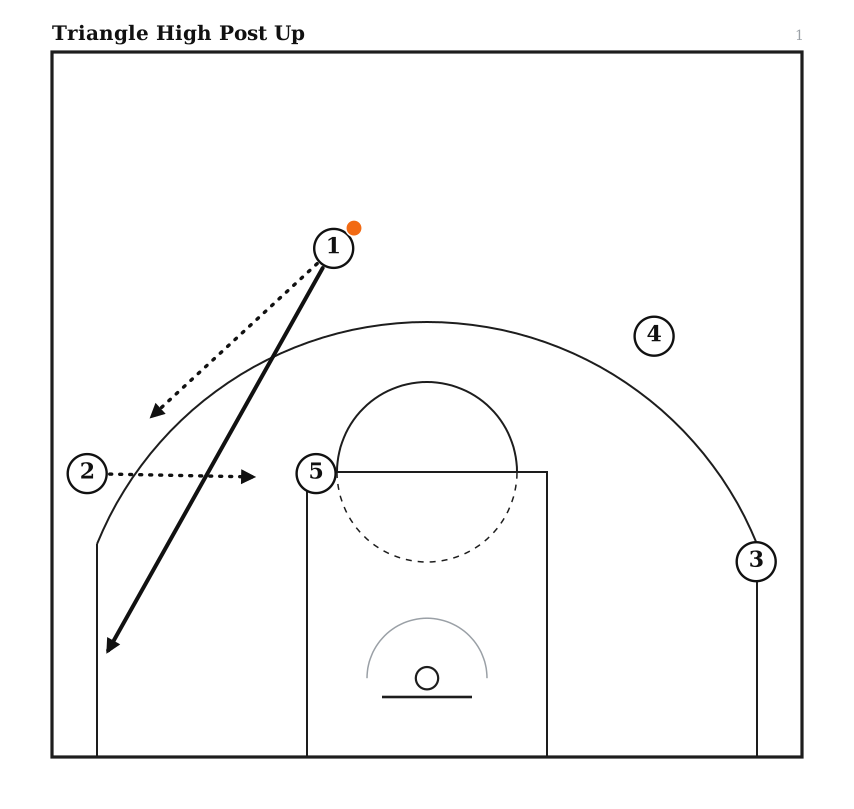
The name comes from the three-man geometric shape formed on one side of the floor. A corner player, a wing player, and a post player create the triangle, while the other two players occupy the weak side. From this formation, every pass triggers a read. Players do not memorize options one through five in order; instead they learn to recognize what the defense is giving and take it.
This philosophy connects directly to the broader principles of motion offense in basketball, where reads and spacing replace rigid scripted sequences. The triangle is the structured cousin of motion offense — it uses a defined initial formation and a side-post anchor, but the actions that follow are entirely dependent on how defenders move and position themselves.
Coaches at every level avoid the triangle because it looks complicated from the outside. The reality is that the foundation is simple: form a triangle on one side, pass into the post or wing, and read. The complexity builds from there, but the base layer is teachable in a single practice session. What takes time is developing the habits and basketball IQ required to make good reads consistently under pressure.
Spacing and Positions
Before a team can run one action in the triangle, spacing must be correct. Poor spacing collapses the entire system because defenders can guard two players with one body. The triangle lives or dies on the distances between players.
The three-man triangle on the strong side is built from three spots: the corner (approximately two feet from the baseline, near the block extended), the wing (elbow extended area, 15 to 17 feet from the basket), and the low post (on or near the block). The post player is the anchor of the triangle. The corner and wing players complete the shape.
The two weak-side players occupy the opposite wing and the top of the key area. Their job is spacing — staying wide enough that their defenders cannot clog the paint or easily help off them without giving up an open look. Neither player should drift toward the ball, collapse toward the lane, or stand flat-footed. Every player on the floor must be a constant spacing problem for the defense.
The point guard initiates the offense but does not dominate the ball. In the triangle, the guard passes and reads rather than handling the ball for extended possessions. This demands trust in teammates and a willingness to play off the ball — a skill that requires dedicated practice time and the kind of team-first culture outlined in resources like building basketball team culture.
Coaches sometimes try to run the triangle with a stationary post player who just waits on the block. That is not how the system works. The post player must read the defense, seal off the help side, and react to what the corner and wing players are doing. All five players are continuously reading and reacting — not waiting for a signal from the bench.
Entry Passes and Initial Actions
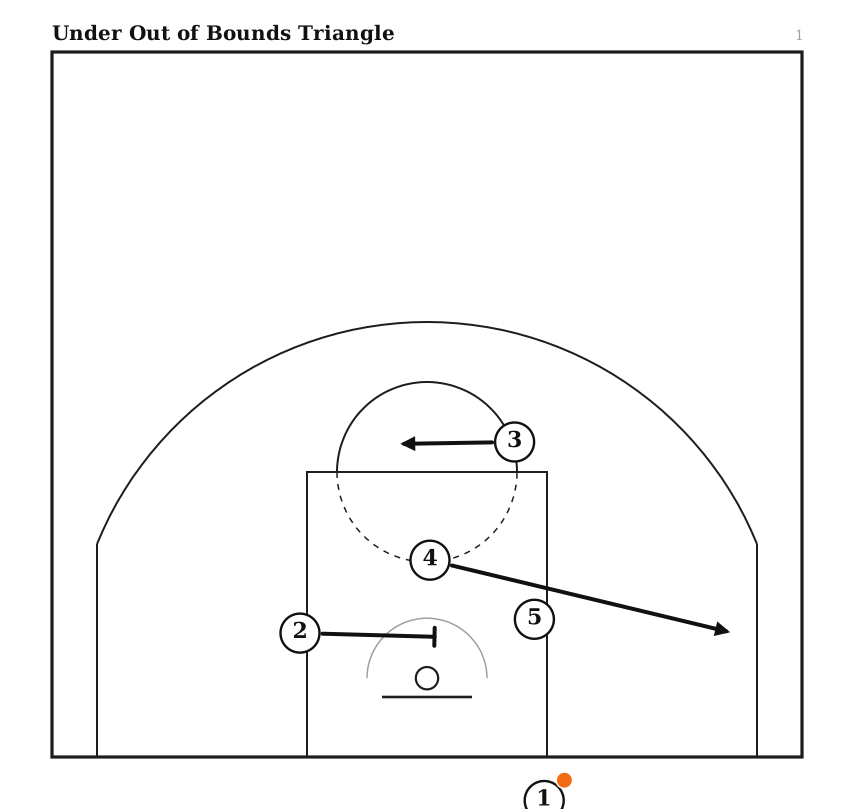
Every repetition of the triangle starts with an entry. The point guard dribbles to a side and initiates the triangle formation with a pass. There are three primary entries: the corner entry, the wing entry, and the post entry. Each one sets up a different initial read but leads to the same interconnected set of actions once the ball is in the triangle.
Corner Entry
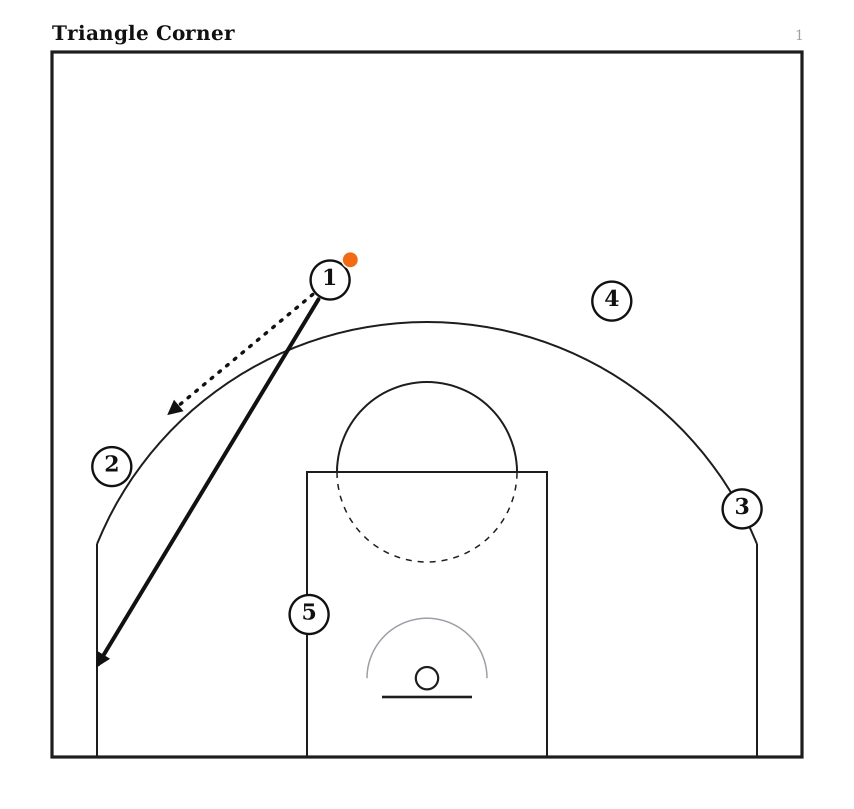
The guard passes to the corner player, then cuts through or away depending on how the defender plays the cut. If the guard's defender turns his head or cheats toward the ball, the guard cuts hard to the basket for a potential give-and-go. If the defender stays home, the guard relocates to the weak side. This is the most fundamental read in the triangle and it must become automatic before adding complexity.
Wing Entry
The guard passes to the wing, and the post player executes a back-screen or seals for a direct entry pass. The wing player reads the post defender. If the post defender goes under the seal, the wing fires the pass into the post immediately. If the post defender goes over, the wing holds the ball while the post re-establishes position. This read is simple in concept but requires constant repetition until the wing and post player develop real timing.
Post Entry
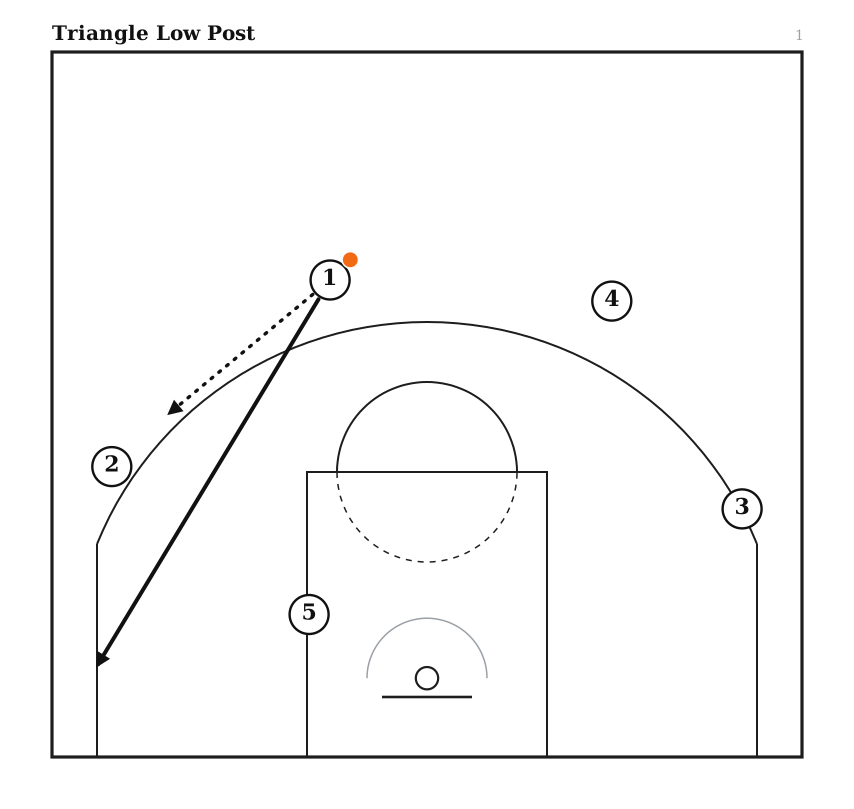
When a mismatch or clear advantage exists, the guard or wing can throw directly into the low post. The post player catches and reads: shoot, drive, kick to the corner, or reverse to the weak side. Post entry is the highest-percentage option when properly executed, and it is one reason the triangle was so effective with dominant post players like Shaquille O'Neal.
For teams working on these entries in a structured practice setting, a solid basketball practice plan should dedicate early repetitions to 3-on-0 entry walkthroughs before adding defenders.
Side-Post Reads and Options
Once the ball enters the triangle — whether to the corner, wing, or post — the side-post phase begins. This is where the triangle's true depth emerges. The player with the ball has multiple options depending entirely on how the defense reacts. There is no predetermined sequence. The defense decides what happens next.
The Four Basic Options from the Corner
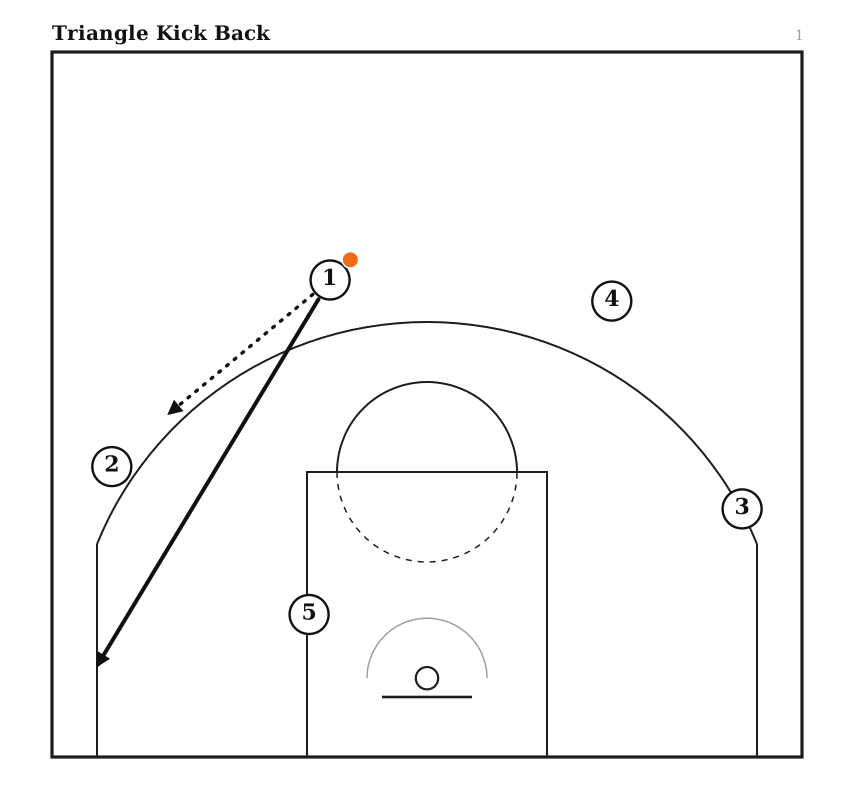
When the corner receives the pass from the guard, four reads open immediately. First, the post feeds back to the corner for a short jumper if the post defender cheats toward the guard's cut. Second, the wing cuts baseline off a back-screen from the post for a lob or catch-and-shoot. Third, the corner skip-passes to the weak-side wing if the help defense collapses. Fourth, the corner drives the baseline if the corner defender closes too hard on the catch.
The skip pass to the weak side is particularly powerful because it forces the defense to scramble across the paint. This creates closeout situations that generate open threes or drive-and-kick opportunities. Defending these situations requires a disciplined help defense structure from the opposing team, which is precisely why the triangle is so difficult to guard when players make the right reads.
The Pinch Post
When the ball enters the high post (the elbow area), the triangle moves into its pinch post phase. The high-post player is a hub. He can shoot the mid-range jumper, feed the low post, hit the weak-side wing cutting backdoor, or drive and kick. Phil Jackson's teams ran countless possessions through the pinch post because it is the geometric center of the floor and it stresses every defensive rotation simultaneously.
Weak-Side Continuity
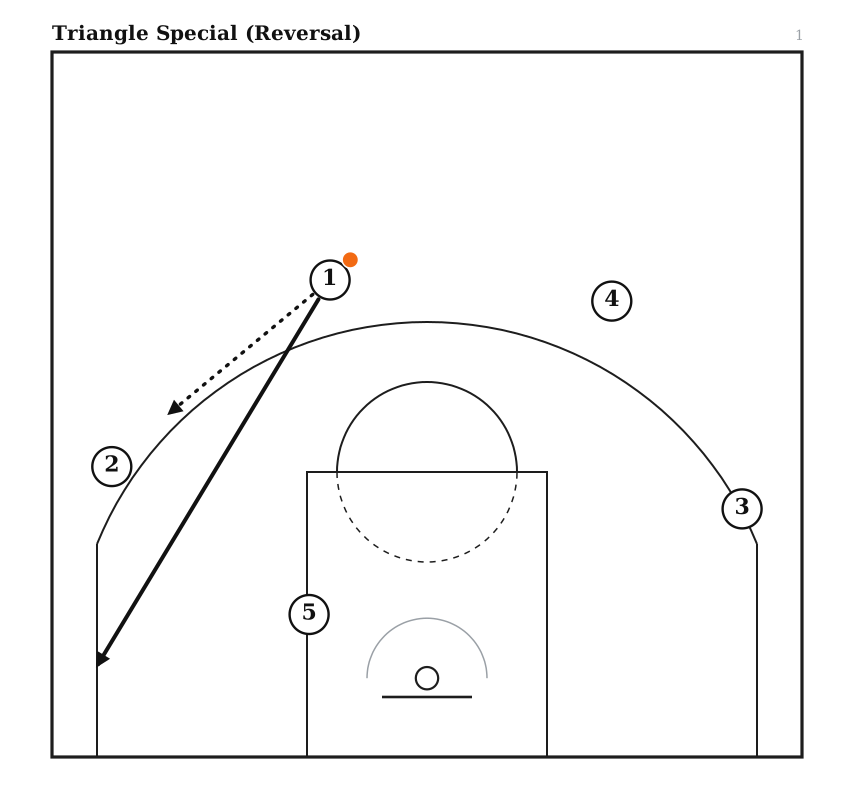
If the initial triangle reads do not produce a shot, the ball swings to the weak side and the alignment reverses. A new triangle forms on what was the weak side. This continuity means the offense does not stall or reset to a set play — it simply mirrors the same read structure on the other side. Defenders must chase the ball and re-establish help positioning, and that transition is where open shots appear.
Teaching Progression
The most common mistake coaches make when installing the triangle is trying to teach everything at once. The read structure is layered, and players need to master each layer before adding the next. Rushing the progression creates confusion and causes players to hesitate — which is the worst possible outcome in a read-based offense.
Step One: Spacing and Formation
Start with 5-on-0 walkthroughs. Players learn to form the triangle correctly on both sides without a defender. They practice the spacing gaps, the post player's positioning, and the weak-side alignment. This is purely physical habit-building. Run it until it looks automatic.
Step Two: Three-Man Entry Actions
Add the three primary entries with 3-on-0 repetitions. Corner entry, wing entry, and post entry. No decisions yet — just timing and technique. Then add a single token defender on the ball to force players to read the initial guard cut. The first real decision: cut for the give-and-go or relocate?
Step Three: One Read at a Time
Add one side-post read per practice session. On Monday, work only the baseline cut off the post back-screen. Tuesday, add the skip pass read. Do not move to three reads until two are correct. This progression takes patience but it builds genuine basketball intelligence rather than rote memorization.
Step Four: Live 5-on-5 with Constraints
Run live 5-on-5 with a rule: you may only score off triangle reads, no pull-up jumpers off freelancing. This constraint forces players to stay in the system and make reads. Over time the constraint can be lifted as habits solidify.
Combining this with foundational drills improves the overall quality of the offense. Passing drills build the quick-decision passing habits the triangle demands, and they transfer directly to live play.
"Pass-and-move. Every pass is followed by a cut or a screen; jogging or standing kills the offense and lets defenders watch the ball."
— Basketball Vault
Counters and Adjustments
Every defensive team that prepares against the triangle will try to disrupt the formation before the ball enters. They may front the post, deny the corner entry, or pressure the guard to force a bad angle. The triangle has counters built in for each of these adjustments.
When the Post Is Fronted
If the defender fronts the low post, the offensive player locks in a seal, and the ball reverses quickly to the weak side for a lob entry. The lob must be practiced because the timing window is narrow. If the team is not comfortable with the lob, the alternative is to change the triangle side by swinging the ball to the weak side so the post catches on a different block without the fronting defender.
When the Corner Is Denied
If the corner player is denied, he back-cuts immediately. The guard reads the cut and either hits him on the move or continues to dribble and resets. The back-cut is automatic — any time a player is overplayed in the triangle, he cuts. This principle mirrors the backdoor reads in 5-out motion offense, where the same overplay rule applies.
When the Defense Zones Up
The triangle can attack zone defense effectively because the initial formation already places players in gaps of a 2-3 zone. The corner player sits in the gap between the wing and baseline defenders. The high-post entry forces the zone to collapse and creates skip-pass windows to the weak side. Phil Jackson's teams rarely saw zone from opponents because it was understood that the triangle exploits it well, but coaches should still drill zone adjustments so players recognize the look and respond correctly.
Pace Adjustments
The triangle is typically run in a half-court setting, but it does not mean a team abandons transition opportunities. Push the ball on every make and miss, and only settle into triangle structure when the defense is set. Forcing the triangle against a retreating defense wastes easy baskets. Teaching players to read when to push versus when to set up the triangle is an extension of good fast break discipline.
Teams that struggle with the triangle almost always have a spacing problem, not a reads problem. Fix the spacing gaps first — if players are standing too close together, no amount of read-training will produce open shots because defenders can guard two players at once.
- Form the triangle on every entry — corner, wing, and post must hit their spots before any read begins.
- Post defender fronting? Seal and lob, or swing the ball to change sides immediately.
- Overplayed on the perimeter? Back-cut every time — it is automatic, not optional.
- Weak-side players stay wide — collapsing toward the ball destroys spacing and collapses the skip-pass window.
- Skip pass on help collapse — when two defenders converge on the triangle, the skip to the weak-side wing is the highest-percentage play available.
- Run continuity if no shot appears — swing the ball and reform the triangle on the opposite side without calling a timeout or resetting at the top.
Get free play diagrams, drills, and coaching guides delivered weekly.
See it drawn up
Related diagrams
Keep Building
Related breakdowns