A cross screen runs parallel to the baseline or lane line, moving a cutter from one block or elbow to the other while the ball sits on the wing. It is the workhorse screen in triangle-style actions and many baseline inbound plays. The screen hub is basketball screens. Pair this page with down screen basketball when you teach cross-then-down series.
Cross screens look simple but fail when the screener sets too high or the cutter drifts instead of sprinting shoulder-to-shoulder. Defenders exploit lazy angles with a quick bump and recover. This guide is for coaches who want one language for offense and defense in the same gym segment.
How to Set a Cross Screen
Trigger is usually a pass to the wing or a post entry. The screener crosses the lane facing the cutter's path with a wide base.
- Timing: Leave on the pass flight, arrive as the catch happens.
- Angle: Screen across the defender's path, not up the lane toward the rim.
- Contact: Hold legal position one beat; slip only if both defenders switch early.
On special situations, double cross screens at the same time free one cutter to the rim and one to the top. Tag your inbound calls so players know single versus double cross.
Using the Cross as a Cutter
Sprint the paint. Lowest legal path. A wide arc lets the trail defender recover.
Read the hip. If the defender goes under, curl to the front of the rim. If they chase, flare to the short corner or sit in the dunker window.
Hands early. Show target hands on the side the passer can see. If denied, seal the backside and post for a high-low entry.
After a cross for a post, the screener often follows with a down screen for a guard (screen-the-screener). That pattern feeds naturally into Iverson cut basketball when elbows are involved.
Cross and Down-Screen Series
In a triangle look, the common chain is:
- Cross screen for the opposite post.
- Down screen for the weakside wing.
- Second cross or flare if nothing opens in one pass.
In 4-on-4 shell, run the cross on a wing pass, then live on the post catch or the guard cut off the down screen. Offense scores on paint touch; defense grades communication only for the first three passes.
Flare screens finish the series when the cross defender chases and overplays the lane. See flare screen basketball for fade footwork.
Defending Cross Screens
Screener's defender (often the post). Stay until the cutter crosses your face, then meet with a forearm to create space. Ride the cutter in the direction they choose without hugging and fouling.
Cutter's defender. Go over the cross when size allows. If mismatched, early switch only when both defenders match size and both can recover to new assignments.
Weakside rules. Ball-side gap defender pinches one step toward the lane on the cross. High weakside defender shows nail help without leaving two skip shooters.
4-on-4 down-cross live drills reward defenders who jump to the ball on the pass out of the post and replace on the next screen. Rotation language matches how to coach defensive rotations effectively.
3-on-3 Install Drill
Halfcourt 3-on-3, make-it take-it. Action order:
- Cross screen on pass to wing.
- Down screen for the screener.
- Play live on any catch in the paint or corner.
Defensive variation: hedge the cross low (butt to baseline) or squeeze tight to the screener. Offense must read chase versus under and call the cut loud.
Offensive rebounding on missed post feeds is on offensive rebounding basketball. Quick hitters that start with a cross appear in many baseline sets on BLOB set plays.
Questions Coaches Ask
What is a cross screen in basketball?
A screen set across the lane for a cutter moving from one side of the paint to the other, usually timed with a wing pass.
Should defenders switch cross screens?
Switch only on big-big screens with matched size. Otherwise meet, ride and recover over the top.
What comes after a cross screen?
Often a down screen for the screener, a post feed, or a flare if the cutter's defender chases over the cross.
Continue building your screen menu with stagger screen corner basketball and pick and roll when players master the cross-down chain.
Get the next coaching guide in your inbox
One email when a new guide or diagram set goes up. Free.
Want the printable playbook packs?
Playbook packs: zone attack, press break, press defense, out of bounds, quick hitters, practice plans and the youth turnover cure, each a printable PDF. Or draw your own version free in PlayDraw.
See the playbook packsMore Guides From This Batch
- Youth Basketball Practice Plans: Timed Blocks by Age Band
- Basketball Shooting Games: Competitive Reps That Transfer
- Iverson Cut Basketball: Shallow Cut Through Double Elbows
- 3-on-2, 2-on-1 Drill: Full-Court Advantage to Disadvantage
- Drive and Kick Drills: Paint Touches and Kick-Out Decisions
- Offensive Rebounding Basketball: Crash Rules and Putbacks
- Transition Defense Drills: Get Back, Match Up and Slow the Ball
Back to Basketball Screens and every Offense page.
Keep Building
Related breakdowns
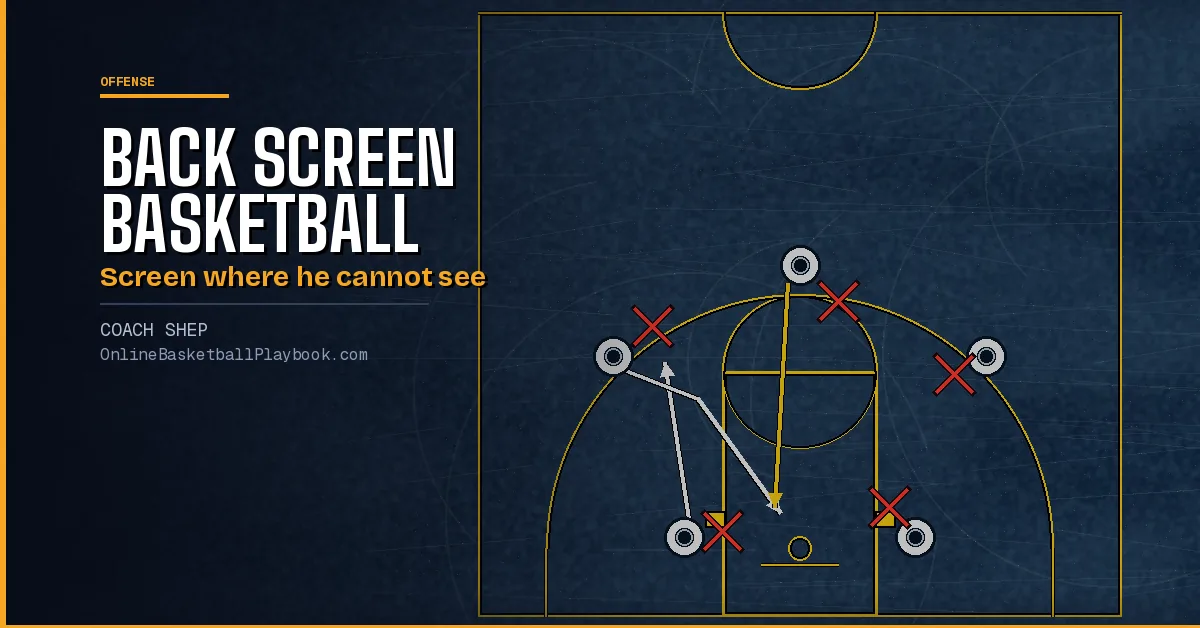
Back Screen Basketball: How to Set, Use and Defend It
Back screen basketball guide: what a back or rip screen is, setting it legally, the cutter's and screener's reads, the UCLA cut, chained actions and defending it.
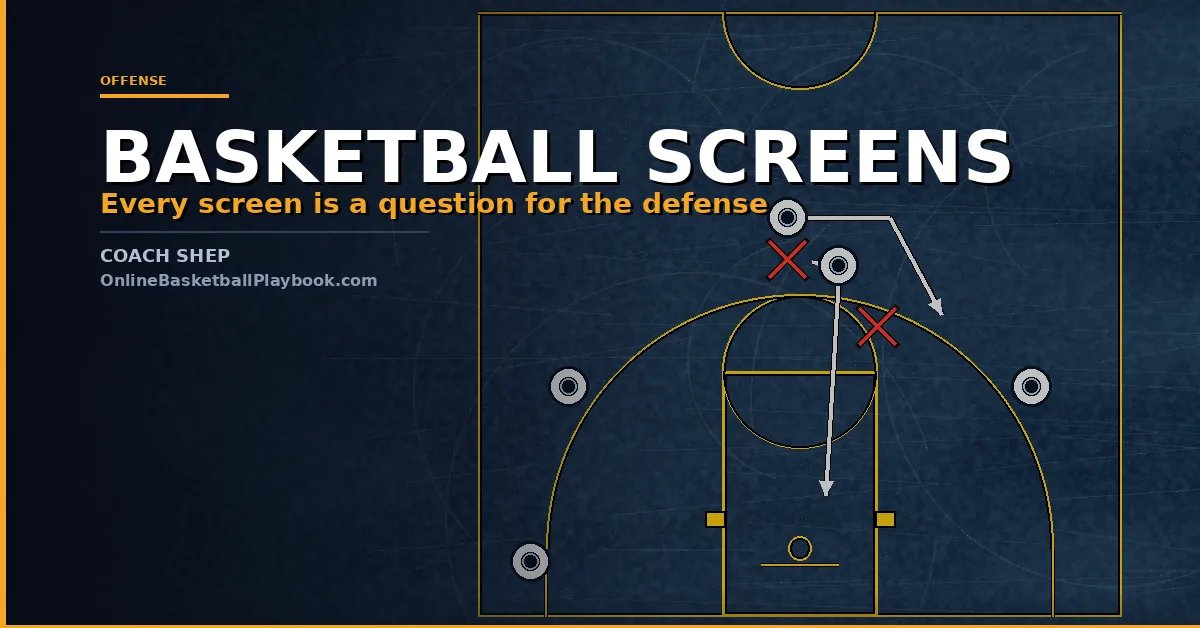
Basketball Screens: Every Type of Screen and How to Read It
Basketball screens by type: on-ball, down, flare, back, pin down, cross, stagger, elevator, screen the screener and hand-off, with each read and counter.
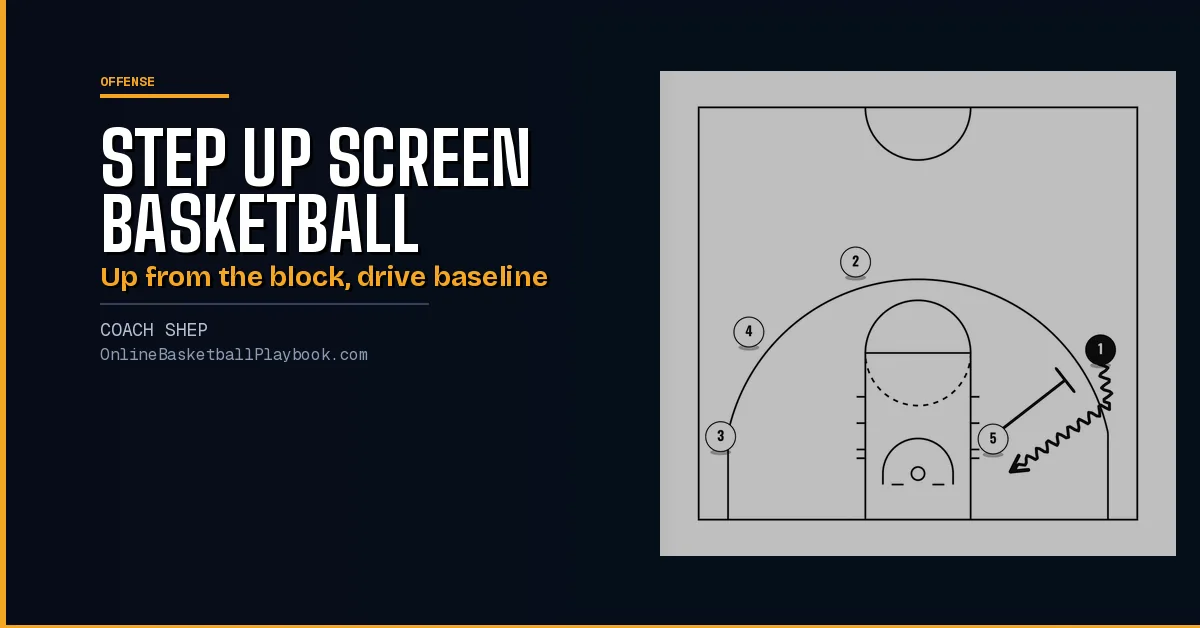
Step Up Screen Basketball: The Step-Up Ball Screen Explained
Step up screen basketball explained: the ball screen that sends the handler baseline, the answer to ice, the screener's options, the weak side and drills.